
Hormonal Health 101: The Ultimate Bloodwork Guide for Women
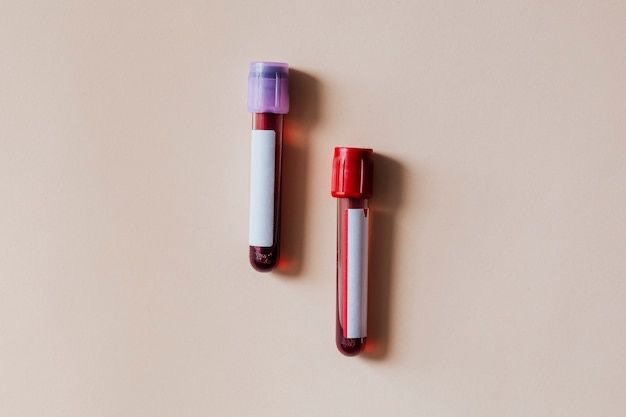
Feeling “off” but can’t quite explain why? Maybe your cycle has changed, your energy is low, or you’re noticing skin, mood, or weight shifts that don’t make sense. These may all point toward a hormonal imbalance, and the best way to start understanding what’s happening in your body is through comprehensive bloodwork.
This guide walks you through what tests to ask for, when to take them, and how to interpret results, so you can have an informed conversation with your doctor or wellness practitioner.
Why Bloodwork Matters
Hormones are your body’s messengers. They regulate energy, mood, fertility, metabolism, and stress. When they’re out of balance, symptoms can appear gradually, often dismissed as “just stress” or “normal aging.”
But blood tests can uncover what’s really happening behind the scenes. By checking specific hormones, you can identify conditions like:
Polycystic Ovary Syndrome (PCOS)
Thyroid disorders (hypo/hyperthyroidism)
Adrenal dysfunction or chronic stress
Perimenopause or early menopause
Fertility or ovulation issues
These conditions are all influenced by the delicate balance between your brain, thyroid, ovaries, and adrenal glands, collectively called the endocrine system [1,2].
What Should You Test?
Not all tests apply to everyone; the right panel depends on your symptoms, age, and life stage. Here’s a breakdown to help you discuss options with your provider:
| Concern | Key Tests | What It Tells You |
|---|---|---|
| Irregular or missing periods | FSH, LH, Estradiol, Progesterone, AMH | Ovarian function, ovulation, and cycle regulation [3] |
| Fertility struggles | TSH, Free T4/T3, Prolactin, LH, FSH, Testosterone, DHEA-S | Thyroid and ovulatory health; possible androgen imbalance [4,5] |
| Suspected PCOS | Total & Free Testosterone, SHBG, LH:FSH ratio, DHEA-S, Insulin, Insulin/Glucose Challenge | Detects androgen excess or insulin resistance [2,5] |
| Persistent fatigue or stress | Cortisol (AM), ACTH, DHEA-S | Adrenal function and stress response [7] |
| Weight changes, cold intolerance, hair loss | TSH, Free T4/T3, Anti-TPO | Screens for thyroid disorders [6] |
| Hot flashes or perimenopause | FSH, LH, Estradiol | Indicates transition toward menopause [8] |
| Nutrient status supporting hormone function | Vitamin D, Vitamin B12, Ferritin (Iron), Magnesium, Folate | Deficiencies in these nutrients can disrupt menstrual cycles, mood, energy, and thyroid or ovarian function [11-13] |
Timing & Preparation Matter
To get accurate results, keep these tips in mind:
Cycle phase: For menstrual hormones, draw blood on day 2–4 (for FSH, LH, Estradiol) and mid-luteal phase (~day 21) for Progesterone.
Morning tests: Cortisol and some sex hormones fluctuate throughout the day; test early (8–10 AM).
Fasting: Avoid food if testing glucose, insulin, or lipid panels.
Pause supplements: Biotin, steroids, and hormone therapies can affect results, ask before testing.
Repeat if needed: Hormones fluctuate naturally; retest borderline results.
How to Interpret Results
Numbers are only one part of the story. “Normal” lab ranges may not reflect your optimal hormonal balance, especially for reproductive-age women.
Some patterns to know:
High FSH + Low Estradiol: approaching menopause or ovarian insufficiency [8]
Low Progesterone in luteal phase: lack of ovulation [3]
High Testosterone or DHEA-S: possible PCOS or adrenal overactivity [2,5]
Elevated Prolactin: pituitary or stress-related imbalance [4]
High TSH + low T4: hypothyroidism [6]
Always discuss your results with a doctor, endocrinologist, or women’s health specialist who understands hormone dynamics and can interpret them in context, not isolation.
Where to Get Hormone Testing in the UAE
If you’re based in the UAE, these two reliable providers offer women’s hormone panels:
Sidra Healthcare Hormone Profile for Women
A convenient at-home collection service that includes Estradiol, Progesterone, FSH, and LH, ideal for an initial hormone check.
Price: AED 299
Turnaround: 24–48 hours
Ideal for: If you want a baseline snapshot before consulting a practitioner.Life Pharmacy – Hormone Wellness Package
Available across the UAE, this package includes Testosterone, LH, Prolactin, Progesterone, and Estradiol.
Price: AED 299
Ideal for: Cycle irregularities, low energy, or suspected PCOS.
Tip: Check if the lab is DHA or CAP accredited for reliability, and confirm if fasting or cycle-day timing applies before booking.
Next Steps
If your results come back out of range:
Don’t panic. Hormones fluctuate, and one reading rarely defines the full picture.
Track symptoms alongside your results, cycle length, energy, sleep, and mood.
Consult a specialist in women’s or functional medicine who can interpret nuances.
Support naturally: Nutrition, sleep, movement, and stress balance are powerful tools alongside medical guidance.
What About the DUTCH Test (Urine Metabolite Hormone Testing)?
You may wonder how tests like the DUTCH test (Dried Urine Test for Comprehensive Hormones) compare with standard bloodwork.
How it works, and when it’s useful
The DUTCH test analyzes urinary hormone metabolites (e.g. estrogen metabolites, progesterone metabolites, cortisol metabolites) over multiple timepoints. This offers insight into how your body is processing and eliminating hormones over a day or more.
A study comparing dried urine assays with traditional serum tests found that for estradiol and progesterone, dried urine results were well correlated with serum measurements (intraclass correlation coefficients > 0.95) and followed similar cyclical patterns [9].
Another study confirmed the reliability and precision of dried urine for measuring reproductive and adrenal hormones, supporting its clinical utility in both research and integrative care [10].
Thus, while not a replacement for bloodwork, urine metabolite tests like DUTCH can be a complementary tool; especially useful for:
Understanding hormone metabolism/detoxification pathways
Assessing cortisol rhythm or adrenal function over time
Supplementing standard tests when symptoms persist, yet blood markers appear “normal”
Where to Get the DUTCH Test in the UAE
The DUTCH test isn’t currently offered in standard hospital or pharmacy labs in the UAE, but you can access it through licensed functional medicine clinics that partner with Precision Analytical (the US lab that developed the DUTCH test).
Two options you can explore:
Valeo Health, Dubai
Offers the DUTCH Complete test through its at-home wellness testing platform, with licensed practitioners overseeing test requests. Samples are collected via courier or clinic partners.
Price range: 3000 AEDMedi-Gyn by King’s College Hospital Dubai
Provides the DUTCH Hormone Test as part of its Functional Gynecology and women’s hormone balance programs.
Pricing available upon request through clinic inquiry.
Note: Always confirm pricing, courier timelines, and consultation requirements in advance.
Key Cautions & Best Practices
The DUTCH test is not a primary diagnostic tool, standard bloodwork is still considered foundational, especially for endocrine disorders.
Interpretation of metabolite data is complex; it requires clinicians trained in functional endocrinology.
Always verify lab accreditation, assay methodology, and correlation to conventional serum assays.
Use it as a complement, not a substitute, especially when blood markers don’t fully explain symptoms.
Final Takeaway
Your bloodwork isn’t just numbers, it’s a snapshot of how your body communicates.
When interpreted thoughtfully, it can guide you toward balance, clarity, and confidence in your health journey.
You deserve to feel well, and to understand what your body is telling you.
References
Melmed S, Auchus RJ, Goldfine AB, Koenig RJ, Rosen CJ. Williams Textbook of Endocrinology. 13th ed. Philadelphia (PA): Elsevier; 2016.
Fauser BCJM, Tarlatzis BC, Rebar RW, Legro RS, Balen AH, Lobo R, et al. Consensus on women’s health aspects of polycystic ovary syndrome (PCOS). Hum Reprod. 2012;27(1):14–24.
La Marca A, Broekmans FJ, Volpe A, Fauser BCJM, Macklon NS. Anti-Müllerian hormone (AMH) as a predictive marker in assisted reproduction. Hum Reprod Update. 2010;16(2):113–30.
Poppe K, Velkeniers B. Thyroid disorders in infertile women. Ann Endocrinol (Paris). 2003;64(1):45–50.
Legro RS, Arslanian SA, Ehrmann DA, Hoeger KM, Murad MH, Pasquali R, et al. Diagnosis and treatment of polycystic ovary syndrome: an Endocrine Society clinical practice guideline. Endocr Rev. 2013;34(6):1048–75.
Vanderpump MPJ. The epidemiology of thyroid disease. Br Med Bull. 2011;99(1):39–51.
Nieman LK, Biller BMK, Findling JW, Newell-Price J, Savage MO, Stewart PM, et al. The diagnosis of Cushing’s syndrome: an Endocrine Society clinical practice guideline. Endocr Rev. 2008;29(7):753–91.
Burger HG, Hale GE, Robertson DM, Dennerstein L. A review of hormonal changes during the menopause transition: focus on findings from the Melbourne Women’s Midlife Health Project. Hum Reprod Update. 2007;13(6):559–65.
Newman, M., Pratt, S.M., Curran, D.A. et al. Evaluating urinary estrogen and progesterone metabolites using dried filter paper samples and gas chromatography with tandem mass spectrometry (GC–MS/MS). BMC Chemistry 13, 20 (2019). https://doi.org/10.1186/s13065-019-0539-1
Newman M, Curran DA. Reliability of a dried urine test for comprehensive assessment of urine hormones and metabolites. BMC Chem. 2021 Mar 15;15(1):18. doi: 10.1186/s13065-021-00744-3. PMID: 33722278; PMCID: PMC7962249.
Krul-Poel YHM, Koenders PP, Steegers-Theunissen RPM, ten Boekel E, Wee MM, Louwers Y, et al. Vitamin D and metabolic disturbances in polycystic ovary syndrome (PCOS): a cross-sectional study. PLoS One. 2018;13(12):e0204748.
O’Leary F, Samman S. Vitamin B12 in health and disease. Nutrients. 2010;2(3):299–316.
Mazur A, Maier JA, Rock E, Gueux E, Nowacki W, Rayssiguier Y. Magnesium and the inflammatory response: potential physiopathological implications. Arch Biochem Biophys. 2007;458(1):48–56.
