
Ramadan & Hormonal Health: A Science-Based Guide
Ramadan fasting is a deeply meaningful spiritual practice observed by millions of women worldwide, and it also represents a powerful shift in daily metabolic rhythm (1,4,5). But if you live with a hormonal disorder, such as PCOS, thyroid conditions, insulin resistance, or blood-sugar dysregulation, it’s normal to wonder: Will fasting help me feel better… or trigger symptoms?
From a physiology perspective, Ramadan fasting is a form of intermittent fasting where individuals abstain from food and drink each day from dawn (suhoor) until sunset (iftar), naturally creating a daily time-restricted eating window. This daily fast shifts meal timing, sleep, hydration patterns, and circadian rhythms, all of which influence endocrine (hormonal) function. Studies done on Ramadan fasting describe measurable changes in energy metabolism and hormone timing, especially when sleep schedules shift significantly (1,2).
This guide summarizes what the science says and gives practical strategies to support hormonal balance during Ramadan.
How the body adapts over the month
Ramadan isn’t only a spiritual reset; for many women it also functions as a structured form of intermittent fasting that can shift metabolism, inflammation, activate autophagy (your cells' built-in "self-repair" process that clears damaged proteins and organelles), and even mood in measurable ways (1,5,16). While experiences vary depending on diet, sleep, and health status, research suggests that a well-nourished Ramadan can support cardiometabolic, liver, and mental well-being (1,5,8,13).
Scientists sometimes describe Ramadan fasting as a 30-day metabolic “training block," where the body gradually becomes more efficient at switching between using glucose and fat for fuel (3,5). The pattern is not rigid by 10-day blocks in the literature, but thinking in early, mid, and late Ramadan can be a helpful, physiology-informed framework.
First 10 days: Metabolic switching and appetite signals
In the first week, your body is adapting to the new eating window, sleep schedule, and hydration pattern (2,5). As daytime fasting extends beyond 12 hours, insulin levels fall, glycogen stores are drawn down, and the body begins to increase fat burning and mild ketone production, which can improve metabolic flexibility in some people (3,5).
Many people notice:
Fluctuating energy as the brain adjusts to longer gaps without food (3,5).
Shifts in hunger hormones and appetite cues, which can feel like stronger cravings or reduced appetite depending on total intake and sleep (2,3).
An initial reduction in spontaneous physical activity and resting metabolic rate as the body conserves energy, especially if sleep is cut short (2).
These changes are not "good" or "bad" on their own; they are your physiology recalibrating to a new rhythm.
Middle 10 days: Cardiometabolic and liver benefits emerge
By the middle of Ramadan, many people have settled into a more stable routine, and this is often where health benefits become clearer (1,5,8). Reviews and clinical studies of Ramadan-style fasting report:
Modest reductions in body weight, BMI, waist or hip circumference, and fat mass in many (but not all) groups, especially when evening overeating is limited (5,8).
Improvements in lipid markers, such as lower LDL and triglycerides and higher HDL in several cohorts, which support cardiovascular health (5,8,6).
Better liver enzyme profiles (ALT, AST) and albumin in some studies, suggesting improved hepatic and metabolic function, particularly in people with fatty liver or metabolic risk (5,8,12).
Enhanced autophagy signaling (e.g., upregulated Beclin-1 gene expression), which helps cells recycle damaged components and may contribute to anti-aging and metabolic resilience (5,8,16).
Enhanced antioxidant and anti-inflammatory signaling at a cellular level, including changes in oxidative stress markers and genes involved in the body's stress-response systems (5,8).
For women with insulin resistance or metabolic syndrome, Ramadan-type fasting has been linked to improvements in certain insulin resistance indices in some studies, especially when paired with balanced meals and moderated calorie intake (3,4).
Final 10 days: Circadian resilience, mood, and cardiometabolic trends
In the last third of Ramadan, spiritual intensity often increases, and sleep schedules may become more fragmented, which can influence how sustainable the physical benefits feel (1,2,5). Despite sleep challenges, several studies report that by the end of Ramadan and shortly afterward, people can show:
Overall improvements or normalization in cardiometabolic markers after transient mid-month fluctuations, including better HDL, triglycerides, and sometimes HbA1c (6,9).
Continued favorable trends in weight and waist measures in those who are not overcompensating with late-night overeating (5,8).
Positive effects on psychological well-being and mental health scores (lower depression, anxiety, and stress measures) in some populations, likely mediated by a combination of spiritual practice, social connection, and changes in cortisol and brain-derived factors (5,13).
Importantly, large reviews in people with stable heart disease suggest that Ramadan fasting is generally safe for most cardiac patients when care is individualized, with many showing improvements in blood pressure, lipids, and body mass (6,14). As always, those with complex medical conditions should work with their clinicians to decide if and how to fast safely.
Big picture: When paired with nutrient-dense iftar and suhoor, adequate hydration, and intentional sleep, Ramadan can act as a month-long "metabolic retreat," supporting cardiovascular, liver, autophagy-driven cellular repair (16), and mental health for many people—while the spiritual dimension supports motivation and consistency (1,4,5,8,13).
Fasting with Hormonal Imbalances
During Ramadan, the body adapts to daytime fasting and nighttime eating. Research suggests fasting patterns like Ramadan can influence:
Circadian rhythm and metabolic regulation (1,2)
Insulin sensitivity and glucose handling, often depending on food choices and total intake (3,4)
Stress hormone rhythms (e.g., cortisol timing), especially when sleep is reduced or shifted (1,2)
Some studies show a temporary rise in certain metabolic markers during the fasting month, followed by improvement afterward, suggesting that Ramadan acts like a short-term stressor that can lead to longer-term adaptation (6,9).
The key takeaway: Ramadan outcomes are highly dependent on how you eat (quality + portions), sleep, and hydrate, not fasting alone. (1,2)
PCOS
PCOS is closely linked to insulin resistance, low-grade inflammation, and reduced metabolic flexibility (the ability to smoothly switch between burning carbohydrates and fat for energy) (7,10). Changes in eating patterns can affect symptoms such as cravings, energy crashes, acne flares, and cycle irregularity.
What PCOS-specific studies show
In women with PCOS, clinical studies during Ramadan have found:
No major changes in glucose homeostasis or lipid profiles, and mixed results across biomarkers, some antioxidant markers improved (5,7). These changes in nitric oxide and glutathione suggest that Ramadan-style fasting may enhance endogenous antioxidant defenses in women with PCOS, even when glucose and lipid measures remain stable (7).
In another PCOS study, Ramadan fasting was evaluated for effects on stress neurohormones and reproductive hormones. In that study, fasting women with PCOS had significantly lower cortisol and noradrenaline after Ramadan compared with baseline, without major adverse shifts in sex hormones (6,8).
Taken together, early PCOS studies suggest that for women who can fast safely, Ramadan may modestly support antioxidant status and stress-hormone regulation, while keeping glucose and lipids largely stable, again, assuming food quality and sleep are supportive (7,8).
What to watch for (common PCOS triggers during Ramadan)
Even if fasting itself is tolerated, symptoms often worsen when:
Suhoor is very low in protein/fiber → blood sugar dips + cravings
Iftar is heavy in refined carbs/sweets → glucose spikes
Sleep is shortened → worse insulin sensitivity + appetite dysregulation (1,2)
Thyroid Disorders
Thyroid hormones are sensitive to circadian rhythm and medication timing.
A systematic review of Ramadan fasting and thyroid-related hormones suggests that while TSH, T3, and T4 can shift during the month, values usually stay within the reference range for most participants, and clinical thyroid status is typically unchanged (9).
Older clinical work also reported changes in thyroid markers (e.g., TSH trends) during Ramadan while remaining within typical ranges (10).
The clinical takeaway from these studies is that, in people with stable thyroid disease, Ramadan fasting is often tolerated, but medication timing and consistent routines matter (1,9).
Note: If you take levothyroxine, fasting can complicate absorption because timing around meals matters. Many people do best by working with their clinician to adjust dosing schedules during Ramadan.
Insulin resistance, diabetes risk, and metabolic health
Ramadan fasting has been studied extensively in metabolic health.
A controlled study in men with metabolic syndrome reported improvements in insulin resistance indices during Ramadan fasting. (3)
A broad evidence review found Ramadan fasting can improve cardiometabolic changes, but outcomes are highly dependent on baseline health, medication use, and how people actually eat, sleep, and move during the month (1,4).
If you have type 1 diabetes, insulin-treated type 2 diabetes, or use other glucose-lowering medications, fasting should be individualized with medical guidance due to both hypoglycemia and hyperglycemia risk (4,15).
How to support hormonal balance
1) Build a blood-sugar-stable Suhoor (PCOS-friendly)
Aim for: protein + fiber + healthy fat + slow carbs
Examples:
Greek yogurt + chia + berries + nuts
Eggs + avocado + whole grain toast + cucumbers
Lentils/beans + olive oil + eggs or labneh
Why: steady glucose helps reduce cravings and energy crashes later in the fast. (1,2). Protein- and fiber-rich pre-fast meals have been linked with more stable glucose and improved satiety during intermittent fasting protocols, which is especially relevant for PCOS and insulin resistance (3,4).
2) Break your fast gently at Iftar
A simple evidence-based approach:
Water
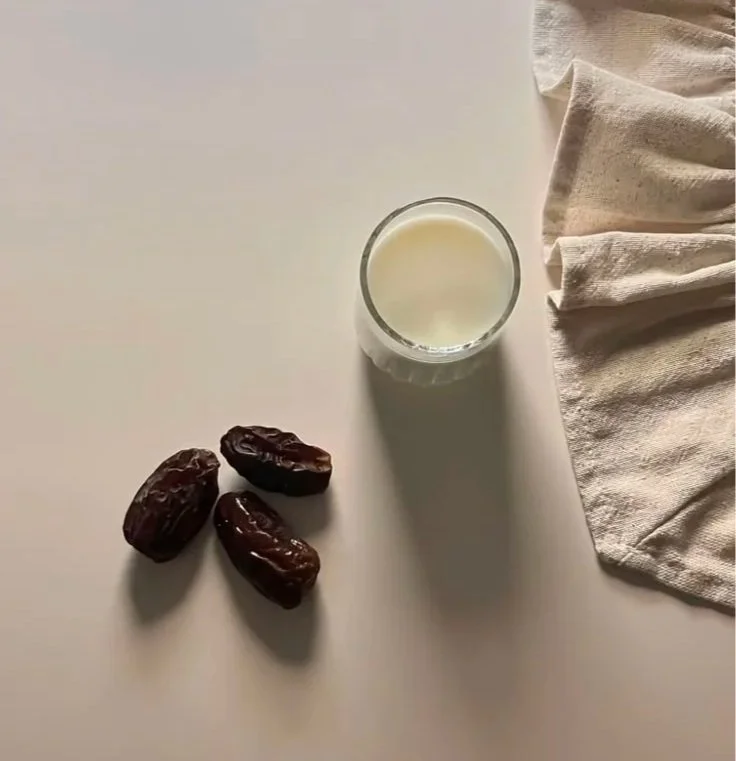
1–3 dates with protein (e.g., milk/labneh/Greek yogurt)
A balanced plate: protein + vegetables + slow carbs + healthy fat
This reduces glucose spikes that can worsen fatigue and cravings. Studies on Ramadan eating patterns show that concentrating calories in high-sugar, high-fat iftar meals is associated with less favorable lipid and glucose responses compared with more balanced plates (1,4,8).
3) Hydration = hormone support
Hydration matters for perceived energy, digestion, and overall metabolic function. Ramadan reviews emphasize that outcomes can vary based on hydration and lifestyle patterns. (1,4).
Simple strategy: split water across the evening:
2 glasses at iftar
2–3 glasses between
2 glasses at suhoor
4) Move strategically
Light walk before iftar (if you can tolerate it)
Strength training after iftar (better fueled)
Avoid intense fasted workouts if you get dizzy, shaky, or migraines
5) Protect sleep (this is BIG for hormones)
Ramadan commonly reduces sleep duration and shifts sleep timing. Reviews highlight that these circadian changes strongly influence metabolic and hormonal outcomes. (1,2,5)
Try:
A consistent bedtime window
A short daytime nap if needed
Morning daylight exposure
Who should seek medical advice before fasting
Consider medical guidance before fasting if you have:
Poorly controlled diabetes or frequent hypoglycemia
A history of eating disorders
Severe adrenal insufficiency
Active fertility treatment cycles
Are pregnant or breast feeding
Health exemptions exist when fasting may cause harm.
The Ayla Perspective
Ramadan is a period of intention and awareness, not self-suppression. For women living with hormonal disorders, it can be an opportunity to become more aware of how nutrition, sleep, stress, and daily rhythms influence hormonal health.
With supportive meal choices, mindful hydration, and realistic expectations, Ramadan can be approached in a way that feels both spiritually meaningful and physically supportive; prioritizing steadiness, nourishment, and care over perfection.
References
Lessan N, Ali T. Energy metabolism and intermittent fasting: the Ramadan perspective. Nutrients. 2019;11(5):1192.
Patterson RE, Sears DD. Metabolic effects of intermittent fasting. Annu Rev Nutr. 2017;37:371-393.
Shariatpanahi ZV, et al. Effect of Ramadan fasting on some indices of insulin resistance and components of the metabolic syndrome in healthy male adults. Br J Nutr. 2008;100(1):147-151.
Rouhani MH, Azadbakht L. Is Ramadan fasting related to health outcomes? A review on the related evidence. J Res Med Sci. 2014;19(10):987-992.
Stote KS, et al. The model of Ramadan diurnal intermittent fasting: cardiometabolic, inflammatory, and molecular effects. 2022.
Metabolic effects of Ramadan fasting in patients at high risk of cardiovascular diseases. J Nutr Metab. 2019.
Asemi Z, et al. Effects of Ramadan fasting on glucose homeostasis, lipid profiles, inflammation and oxidative stress in women with polycystic ovary syndrome. Arch Iran Med. 2015;18(12):806-810.
Zangeneh FZ, et al. Effect of Ramadan fasting on stress neurohormones and reproductive hormones in women with polycystic ovary syndrome. J Family Reprod Health. 2015;9(2):51-58.
Poursalehian M, et al. Impact of Ramadan fasting on serum levels of major thyroid hormones: a systematic review.
Sajid KM, et al. Ramadan fasting and thyroid hormone profile. J Pak Med Assoc. 1991;41(9):213-216.
Effect of Ramadan Fasting on Body Composition, Biochemical Parameters, and Liver and Kidney Function in Healthy Adults. 2020.
Impacts of Ramadan fasting on metabolic and hepatic endpoints in MAFLD: a systematic review and meta-analysis. 2025.
Impact of Ramadan fasting on mental health, body, and spiritual well-being. 2025.
Review on the effects of fasting on cardiac patients. 2025.
American Heart Association. Fasting at Ramadan while keeping health in mind. 2024.
Dastghaib S, et al. Effect of 30-day Ramadan fasting on autophagy pathway and metabolic health outcome in healthy individuals. Mol Biol Res Commun. 2025;14(2):115-127.
